Marlborough, MA
(774) 512-3176
Engineered Lumber vs. Dimensional Lumber for Massachusetts Homes — RS Development Group
Framing6 min read

Engineered Lumber vs. Dimensional Lumber for Massachusetts Homes

LVL, I-joists, and glulam vs. traditional 2x lumber — which is right for your MA project? A straight comparison of strength, span, cost, and when each makes sense.

RS Development Group

May 8, 2026

Two Ways to Frame a House

Most Massachusetts homes are framed with a mix of traditional dimensional lumber (2x6, 2x8, 2x10) and engineered wood products (LVL beams, I-joists, glulam). Knowing the difference helps you understand your framing estimate and why a framer chooses one over the other.

Dimensional Lumber (2x Lumber)

Standard kiln-dried SPF (spruce-pine-fir) lumber is the workhorse of residential framing.

  • Pros: lower material cost, easy to work with, widely available, fine for standard wall and floor framing.
  • Cons: can warp, twist, or shrink as it dries; limited span; quality varies board to board.

It is the right choice for most wall framing and shorter floor/roof spans.

Engineered Lumber (LVL, I-Joists, Glulam)

Engineered products are manufactured from glued wood veneers or strands for consistent strength.

  • LVL (laminated veneer lumber): strong, straight beams and headers for wide openings.
  • I-joists: lightweight floor and roof joists that span farther with less bounce.
  • Glulam: large beams for long spans and exposed-beam looks.

Pros: dimensionally stable (no twisting), longer clear spans, consistent quality, less floor bounce. Cons: higher material cost; must stay dry during construction.

When Each Makes Sense in Massachusetts

  • Open floor plans — LVL or steel beams carry the load when you remove walls (see removing a load-bearing wall).
  • Long floor spans — I-joists eliminate the bouncy floors common with long 2x10 spans.
  • Wide window/door openings — LVL headers handle the load cleanly.
  • Standard walls and short spans — dimensional lumber is cost-effective and perfectly strong.

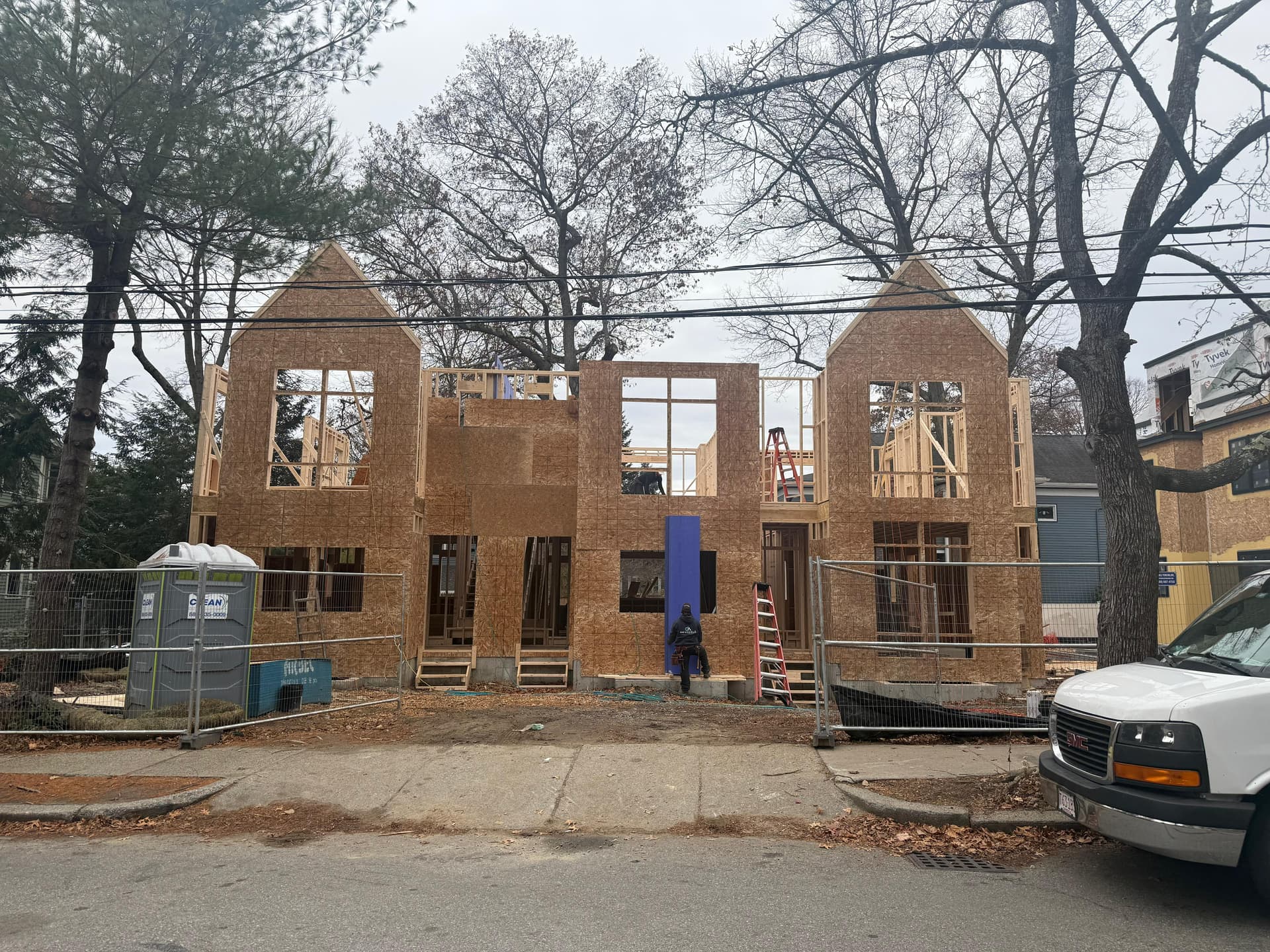
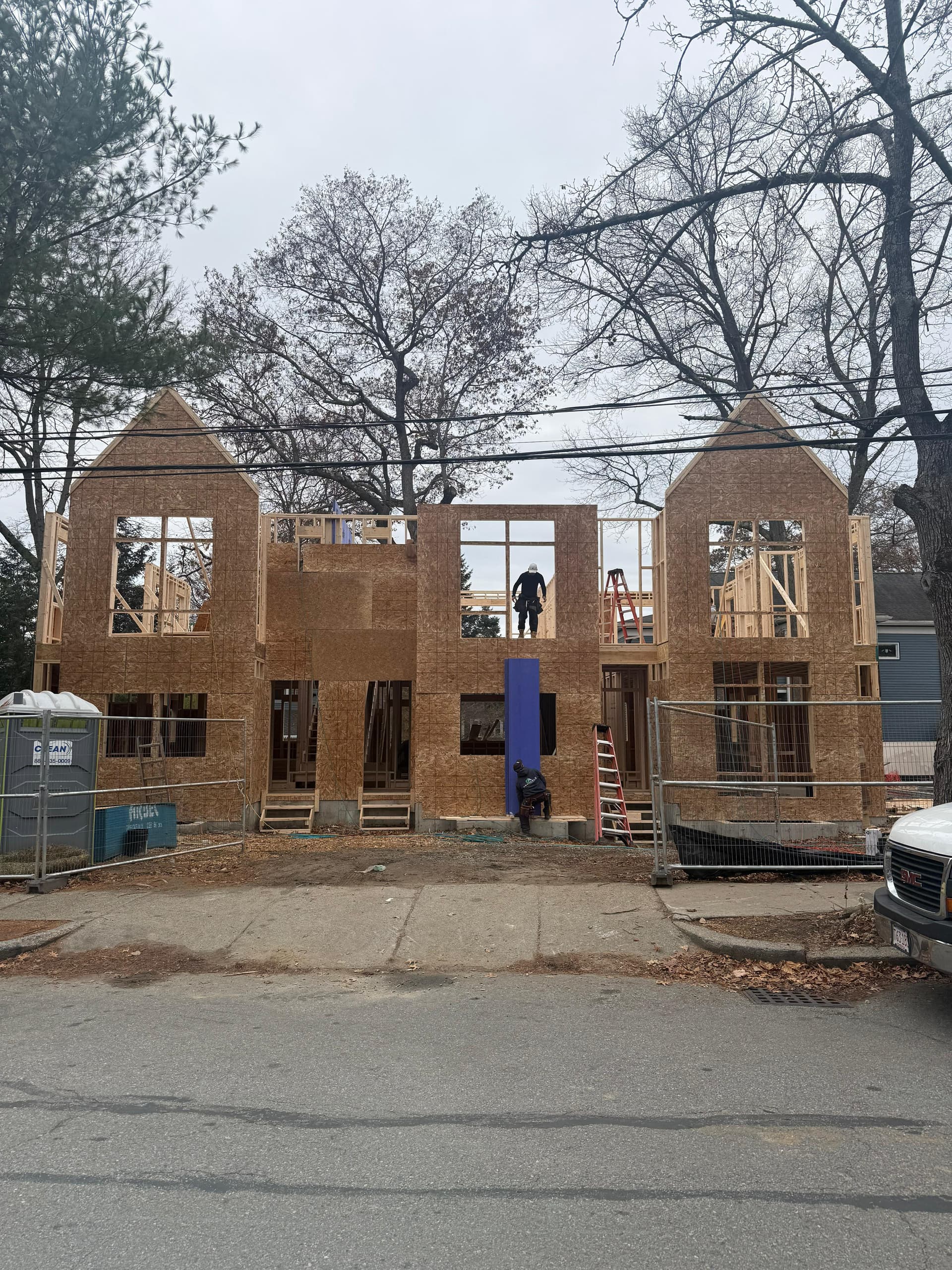
A good framer uses both, matching the product to the load. Our crews frame homes across MetroWest using whichever combination delivers the strongest, most stable result for your design and budget. Learn more about our framing services.

The Bottom Line

Engineered lumber is not "better" everywhere — it is better for spans, openings, and stability. Dimensional lumber is better for cost on standard framing. The right frame uses each where it belongs, and that engineering judgment is exactly what you are paying a professional framer for.

Tags

#engineered lumber#LVL#I-joist#framing materials

Frequently Asked Questions

For long spans, wide openings, and floors you do not want to bounce, yes — engineered lumber (LVL, I-joists, glulam) stays straight and spans farther than dimensional lumber. For standard wall framing and short spans, traditional 2x lumber is more cost-effective.

LVL (laminated veneer lumber) is manufactured from glued wood veneers for consistent, high strength and straightness, used for beams and headers. Dimensional lumber (2x6, 2x8, etc.) is solid-sawn wood used for general framing; it costs less but can warp and spans shorter distances.

Yes. I-joists are stiffer and can span farther with less deflection than dimensional lumber, which significantly reduces floor bounce — a common complaint in homes framed with long 2x10 spans.

Absolutely. We routinely use LVL beams and I-joists when renovating or adding onto older homes to create open spaces and stronger floors while tying into the existing structure.

Need Help With Your Project?

Contact RS Development Group for a free estimate on your construction project.

About the Author

RS Development Group

Licensed Contractor

RS Development Group is a licensed framing and construction contractor serving 75+ cities in Massachusetts. We specialize in framing, roofing, decks, siding, and home remodeling.

Free Estimate

Call us for a free consultation

(774) 512-3176

Get Your Free Estimate

Licensed & insured contractor serving Massachusetts. No obligation.