Open Concept Renovations in Massachusetts
The most-requested renovation in MA: open up the kitchen to the dining and living rooms.
The challenge: usually, the wall between them is load-bearing.
Here is how to do it right.
Identifying Load-Bearing Walls
A wall is likely load-bearing if:
✅ It runs perpendicular to the floor joists above ✅ It has a beam, header, or larger framing above it ✅ It runs parallel to (or directly under) the ridge of the roof ✅ It is in the center of the house (often a center bearing wall) ✅ It stacks with a wall below or above
Look at the basement first. If there is a wall, beam, or post lined up under the wall above, that wall is bearing load.
What "Load-Bearing" Means
The wall transfers load from above (floors, roof) down to the foundation. Remove it without engineering, and the floor sags, the ceiling drops, or worse.
What Is Required to Remove One
1. Structural engineering. A licensed structural engineer (PE) calculates:
This is a typical residential engineering fee. Worth every dollar.
2. Beam sizing. Most residential beams are LVL or PSL — engineered wood. Steel beams are used for longer spans or higher loads.
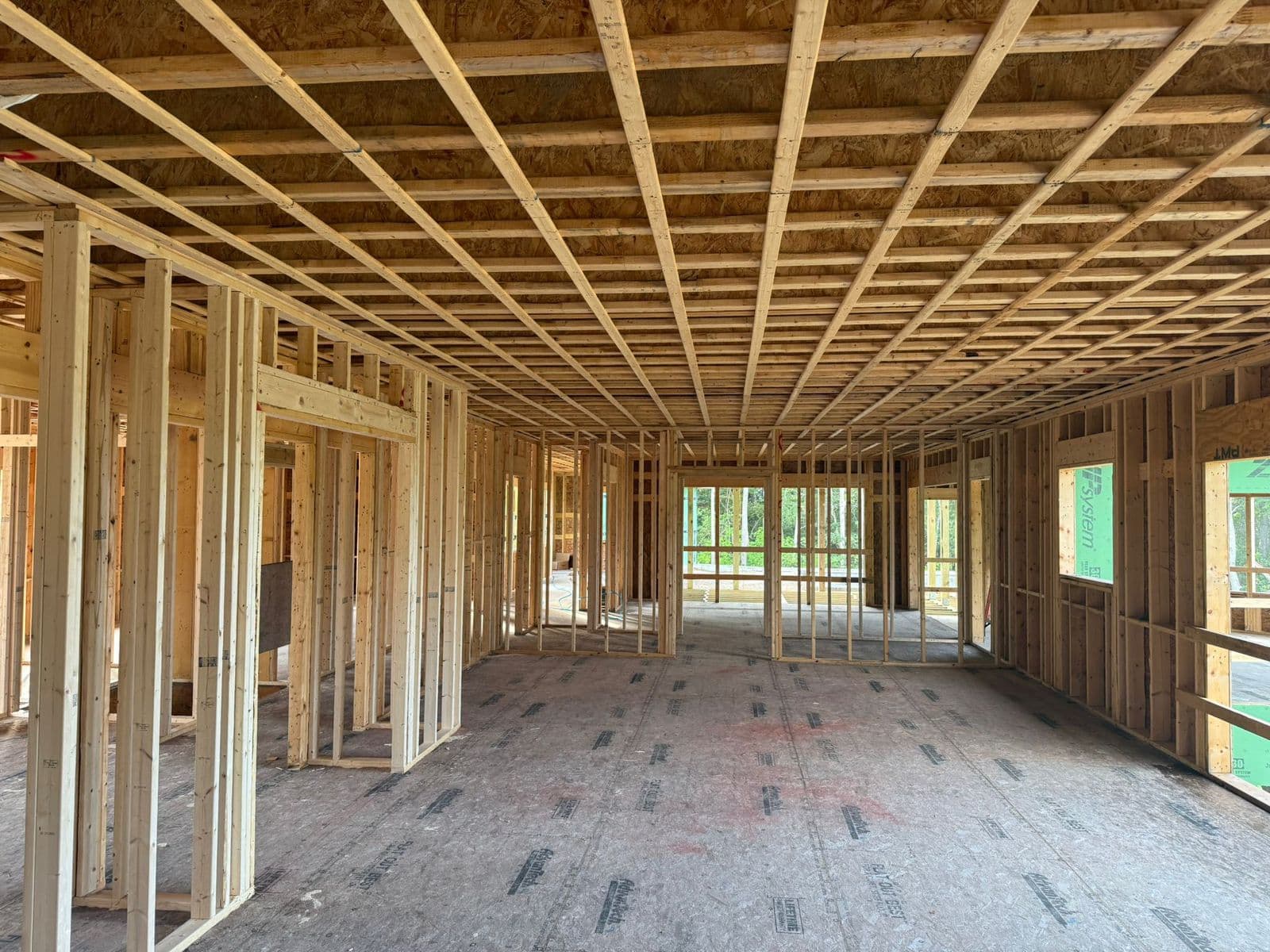
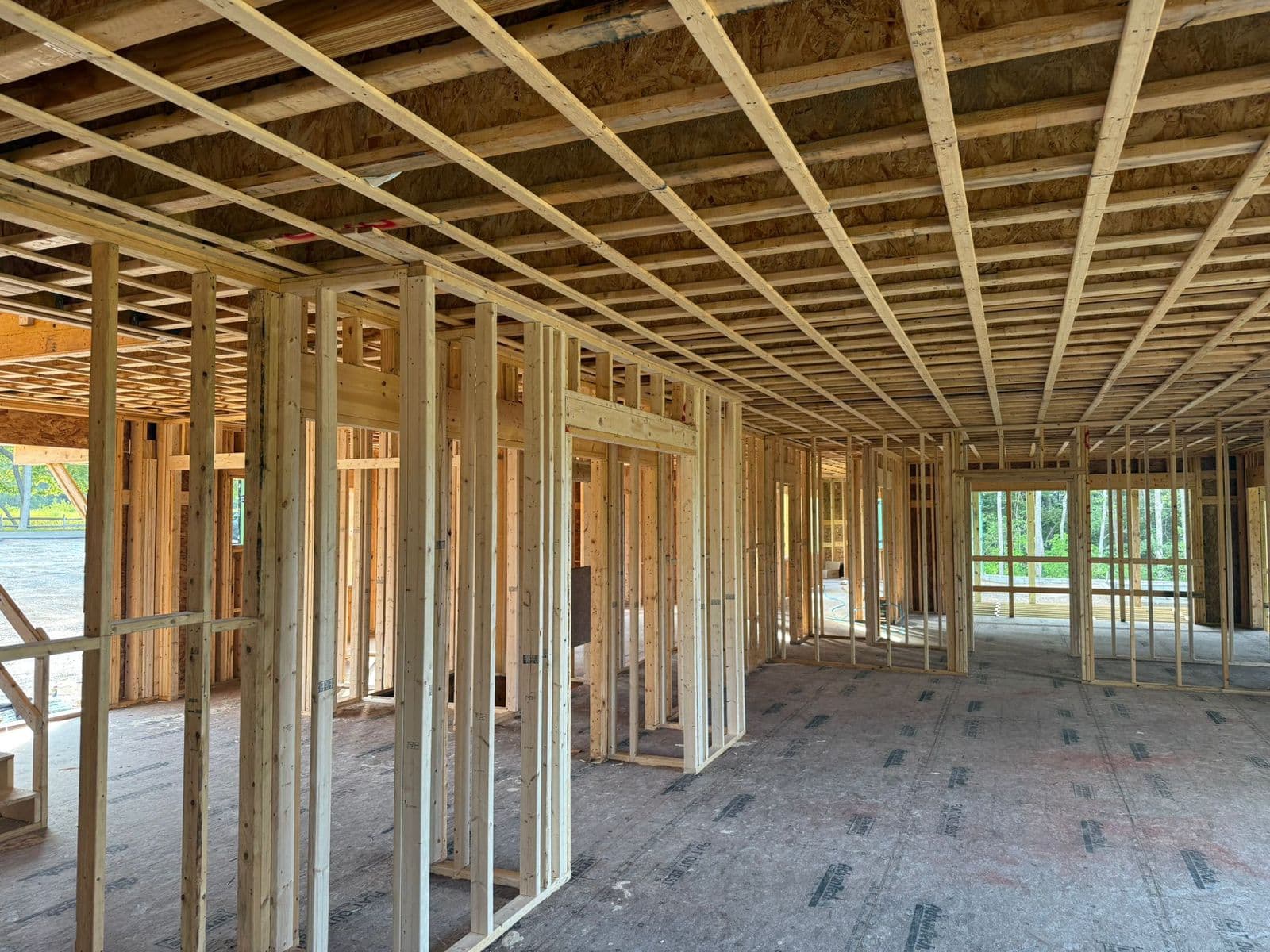
3. Bearing posts. The beam transfers load to posts at each end. Posts transfer load to either a wall below (with proper framing) OR a footing in the basement.
4. Foundation support. If posts land mid-span on the basement floor, footings may be required UNDER the basement slab (the slab is not designed for point loads).
5. Temporary shoring. Before removing the wall, temporary shoring supports the load while the new beam is installed.
6. Permit. Required. MA Construction Supervisor (CSL) must pull and supervise. Inspections include rough framing.
Common Pitfalls
❌ Removing a load-bearing wall without engineering — guaranteed structural problem ❌ Undersizing the beam — sag develops over years ❌ Beam ends not properly supported — bearing failure ❌ Missing posts and footings under bearing points ❌ Inadequate connection to existing structure ❌ Not pulling the permit — code violation, real estate disclosure problem
What the Right Approach Looks Like
✅ Identify wall, confirm bearing ✅ Engineer calculates beam size ✅ Permit pulled with engineered plans ✅ Temporary shoring installed ✅ Wall removed in sections ✅ New beam installed and bolted to existing structure ✅ Posts installed at bearing points ✅ Foundation footings poured as needed ✅ Inspector approves at framing inspection ✅ Drywall, paint, and finishes
Typical Timeline
Open concept removal in an existing kitchen/dining area:
- Engineering: 1-3 weeks
What We Tell Homeowners
If you are considering an open concept, walk us through your space. We:
✅ Identify what is load-bearing (we can usually tell on a walk-through) ✅ Bring in a structural engineer for engineering ✅ Pull permits ✅ Manage shoring and beam installation ✅ Coordinate electrical and HVAC adjustments (often needed) ✅ Restore drywall, ceiling, flooring to match
Why You Cannot DIY This
Removing a load-bearing wall is structural work. MA law requires a licensed Construction Supervisor (CSL). DIY removal puts the home at risk AND voids future structural warranty.
Free Open Concept Consultation
We have done dozens of open concept renovations across MetroWest. Free site visit, structural assessment, and ballpark scope.
📞 (774) 512-3176 📧 info@rs-developmentgroup.com
In the trade since 2008. Licensed CSL + HIC.