7 Common Framing Mistakes in Massachusetts Homes
We've inspected hundreds of homes from Marlborough to Worcester to Cambridge. The same framing mistakes show up everywhere — in 1960s colonials, 1980s capes, even recent additions done by unlicensed crews.
If you own a MA home, knowing what to look for can save you tens of thousands in structural repairs later.
1. Undersized Headers Above Windows and Doors
The single most common framing error. Builders use a single 2×6 where MA building code (780 CMR) requires double 2×10 or LVL for openings over 6 feet. Result: sagging floors above, cracked drywall, jammed windows.
How to spot: Drywall cracks above doors and windows that keep reopening after patching.
2. Missing Hurricane Ties on Rafters
Massachusetts is a high-wind region (especially coastal towns — Quincy, Hingham, Marblehead, Salem). Modern code requires hurricane ties (Simpson H1, H2.5) at every rafter-to-wall connection.
How to spot: Open the attic, look at where rafters meet the top plate. No metal connector = code violation in any roof installed after 2008.
3. Improper Notching of Floor Joists
DIY remodels often notch joists for plumbing or HVAC. Code: notches can't exceed 1/6 the joist depth and must be in the OUTER third of the span. Most aren't.
How to spot: From the basement, look up at the joists. Any deep cut in the middle of the span = compromised structure.
4. No Fire Blocking Between Floors
Code requires 2×4 fire blocking between studs at every floor level and inside the chase ways. Without it, fire travels up the wall cavity to the attic in minutes.
How to spot: During renovation, ask your inspector to verify. Many older MA homes have NONE.
5. Studs Out of Plumb
Even 1/2 inch out of plumb stacks compound across two stories. Walls bow, doors don't latch, drywall cracks at the seams.
How to spot: Hold a 6-foot level against any wall. Gap at top or bottom = problem.
6. Wrong Nail Pattern in Sheathing
MA code requires specific nail spacing on roof and wall sheathing — typically 6" on edges, 12" in field. Cheap crews shoot half the required nails. Roof fails in 60+ mph wind.
How to spot: Roof leaks during nor'easters in homes less than 20 years old.
7. No Lateral Bracing in Long Walls
Walls over 16 feet need diagonal bracing or structural sheathing on at least one face. Many older homes have neither — they're just held together by drywall.
How to spot: Walls that visibly flex when you push on them.
What to Do If You See These
1. Don't panic. Most of these are repairable.
2. Don't DIY it. Structural work needs a licensed Construction Supervisor (CSL) — required by MA law.
3. Get an honest assessment. RS Development Group provides free inspections. We'll show you what's there, what's at risk, and what's actually urgent.
How RS Development Handles This
When we frame a new addition or renovation in MA:
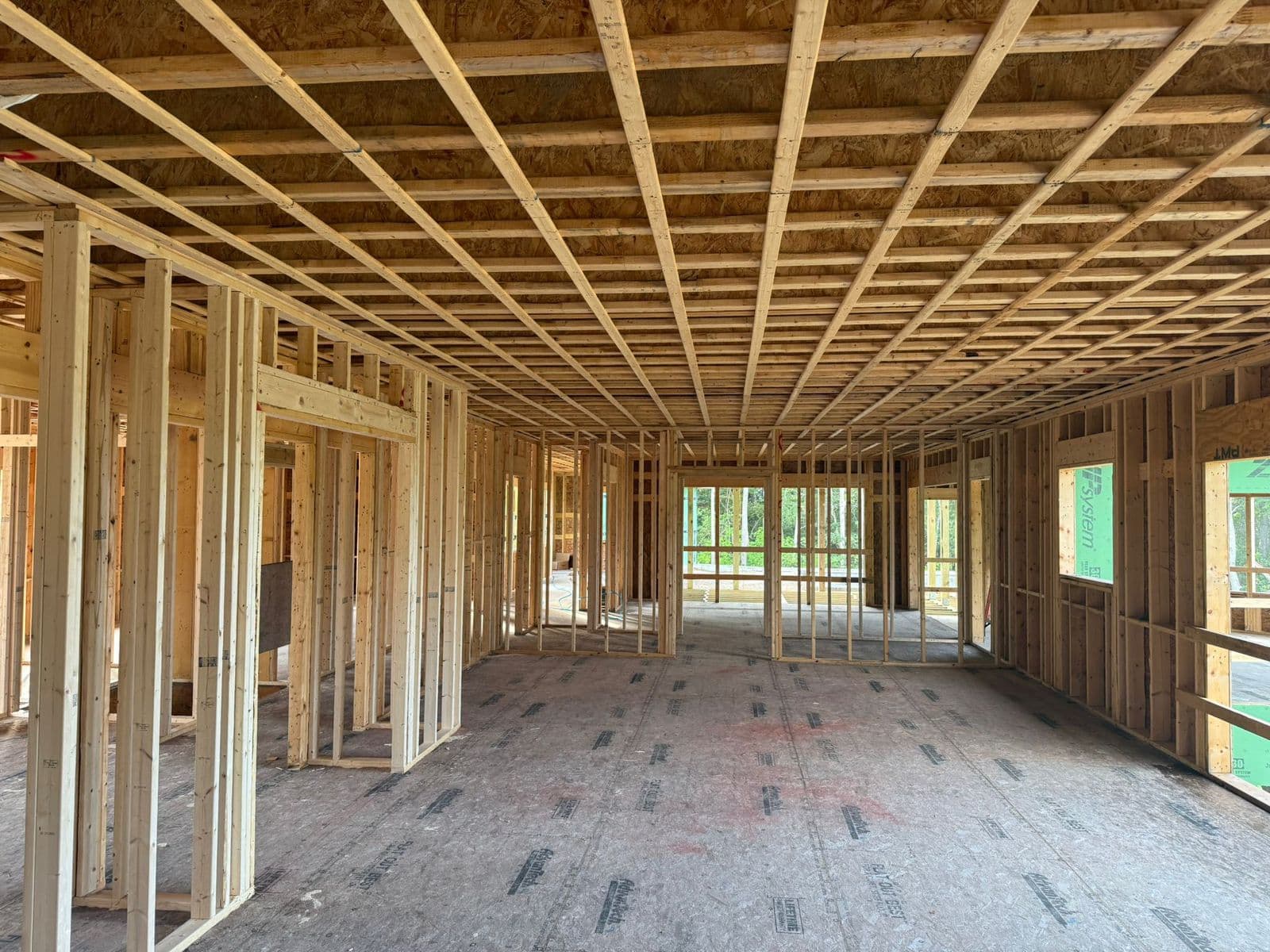
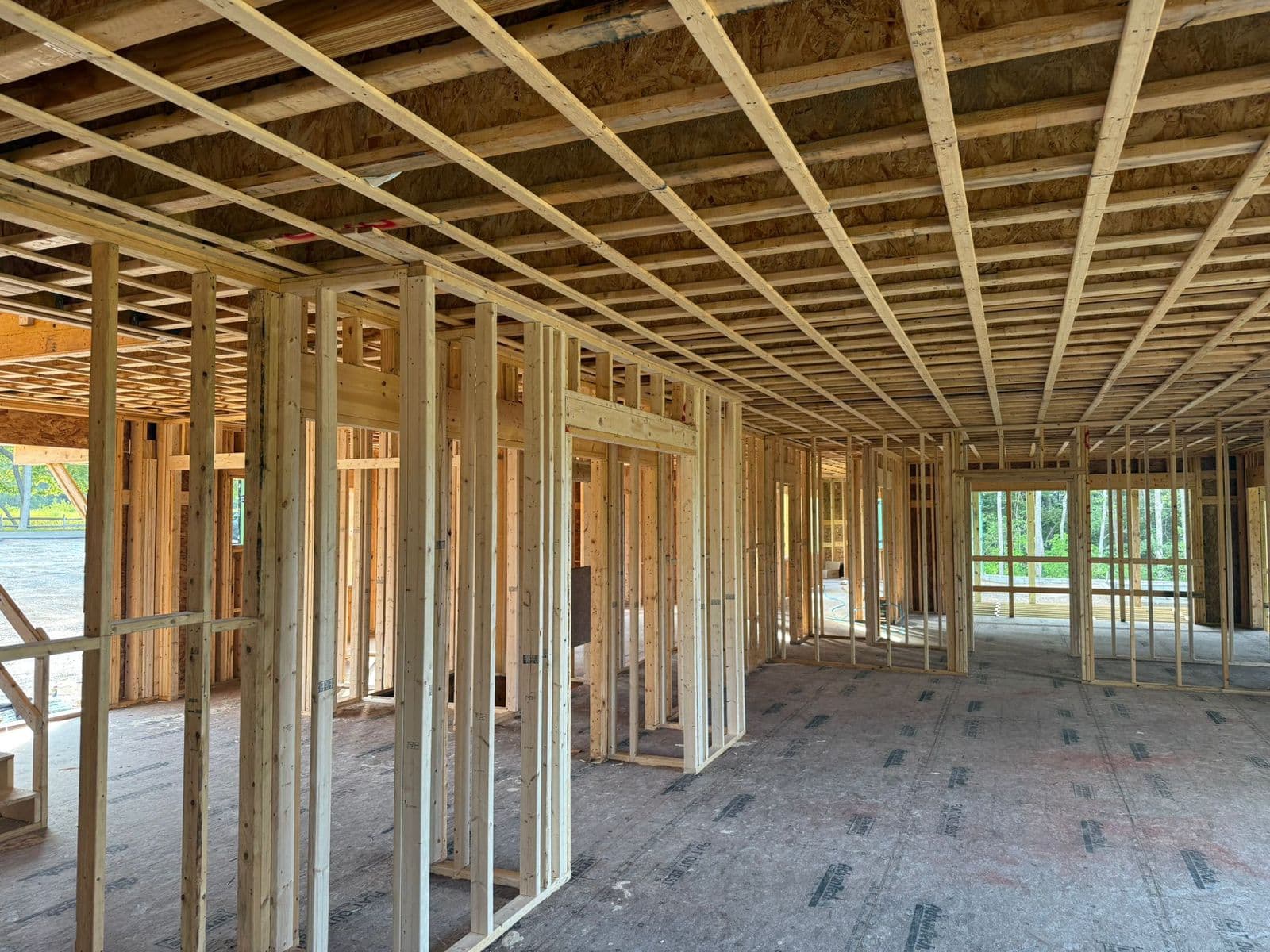
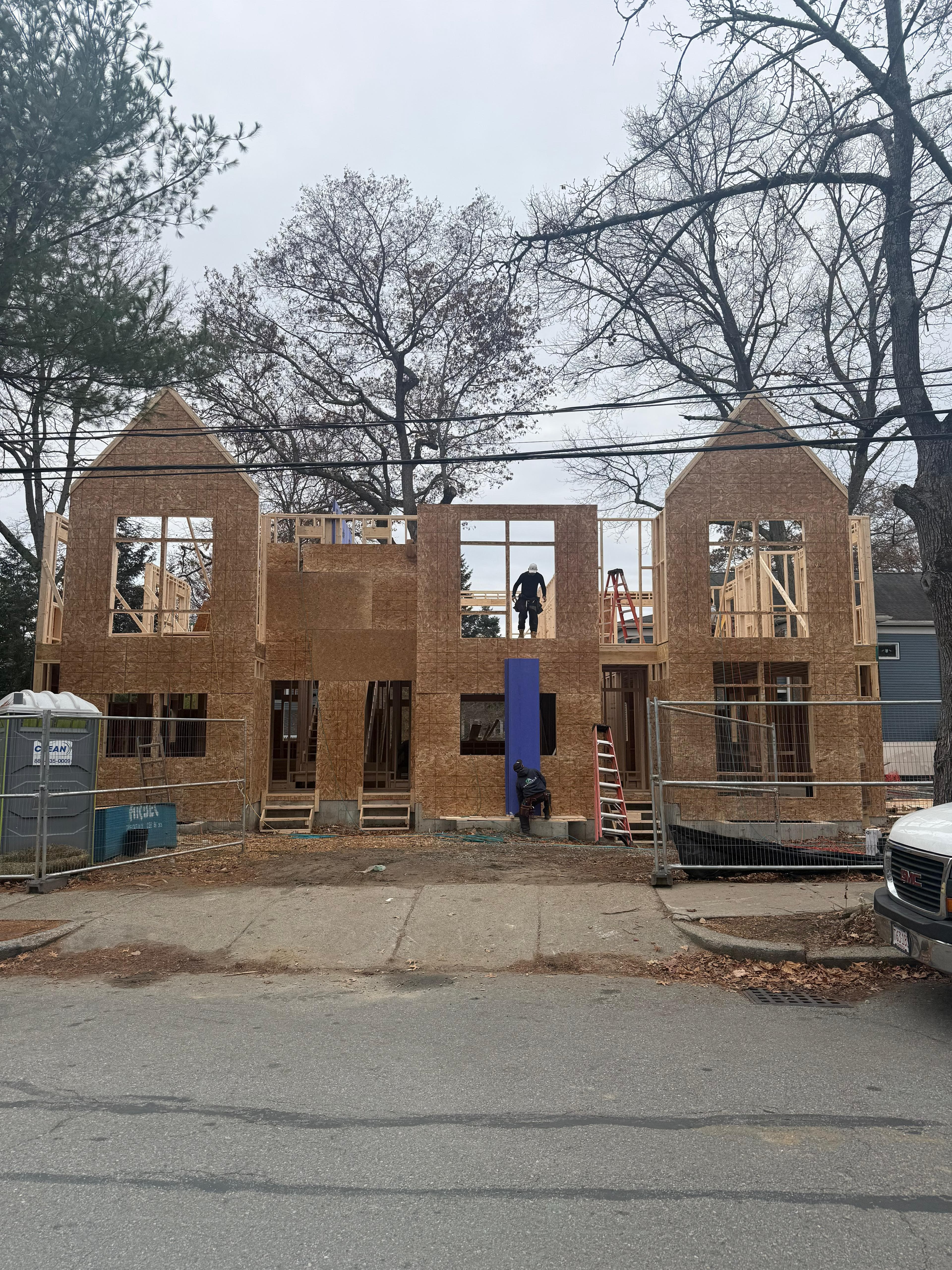
✅ Engineered LVL/PSL headers sized to the actual span ✅ Hurricane ties at every rafter-wall connection ✅ Code-compliant joist notching only (we route plumbing/HVAC around the structure) ✅ Fire blocking installed and inspector-verified ✅ Walls laser-leveled before sheathing ✅ Full nail-pattern compliance (we shoot the schedule the inspector asks for, not less) ✅ Structural sheathing or diagonal bracing on every long wall
Get a Free Structural Inspection
📞 (774) 512-3176 — Same-week visit in MetroWest 📧 info@rs-developmentgroup.com
In the trade since 2008. 9+ Five-Star Google Reviews. Latino-owned.